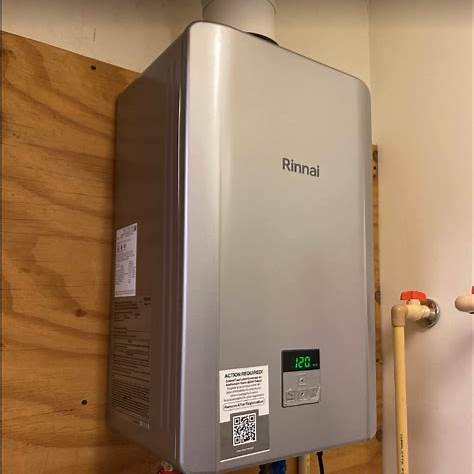
What Makes Tankless Water Heaters Better
-
Energy Use Only When You Need Hot Water
A tank water heater keeps a big volume of water hot all day (and night), even when no one is using it. That means you lose heat constantly — what’s called standby heat loss. A tankless model only kicks on when you open a hot-water faucet. That means less wasted energy.Major Energy+2The Department of Energy's Energy.gov+2 -
Big Energy Savings Potential
-
For a home that uses 41 gallons or less of hot water per day, a tankless heater can be 24%–34% more efficient than a traditional storage tank heater.The Department of Energy's Energy.gov+2Petro+2
-
For homes using more hot water (something like 86 gallons/day), savings are more modest (8%–14%) but still noticeable over time.The Department of Energy's Energy.gov+1
-
-
Longer Lifespan
Tankless units often last 20–25 years when maintained well. Traditional tank heaters typically do okay for 10–15 years. So you replace tanks more often.ragsdaleair.com+2Petro+2 -
No Limits on Hot Water Amount
If more than one person showers (or runs hot water for cleaning, etc.) tank systems can run out of hot water if capacity is exceeded. Tankless systems provide hot water on demand — you don’t “run out” in between refills.ragsdaleair.com+1 -
Smaller Footprint, Less Risk of Water Damage
Tankless units take up far less space. Also, fewer leaks, because you don’t have a large water tank that can rust through or fail. Less risk of big water damage or wasted water.Petro+1 -
Lower Operating Costs Over Time
Over the lifetime of a tankless unit, the reduction in gas or electric bills can add up. For example, ENERGY STAR estimates a family of four can save about $95/year on gas bills by switching to a gas tankless model (vs. a gas storage tank water heater).ENERGY STAR
Also, high-efficiency condensing tankless units can save significantly over their non-condensing or tank counterparts. One example from Navien shows savings of over $2,400 in energy costs depending on usage and fuel source.Navien
⚠️ What to Think About / Trade-Offs
Because nothing in plumbing is “free,” here are some things to consider:
-
Higher Upfront Cost & Installation Complexity
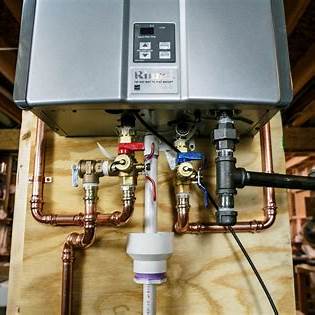
Tankless water heaters cost more to buy, and installation often is more involved. You may need upgraded gas lines, exhaust venting, or electrical system changes.ragsdaleair.com+2Major Energy+2 -
Payback Time Takes Years
Because of the higher initial costs, it can take many years (sometimes 10–20+ years) before your savings catch up. If you plan to move soon, the investment may not pay off fully.ragsdaleair.com+1 -
Maintenance Needs
To keep a tankless system working efficiently, you’ll need to flush it (especially in hard water areas) and maintain filters or burners. If neglected, performance suffers.Wikipedia+24Front Energy+2 -
Power / Fuel Source Issues
If your household draws a lot of hot water all at once (multiple showers, dishwasher, washing machine, etc.), the tankless unit must be sized correctly. Also, if it's electric, your home’s electrical system must handle the load.ragsdaleair.com+24Front Energy+2
💡 So, Does It Save You Money?
In many homes, yes — over the long haul. The key factors that determine whether it’s worth switching:
-
How much hot water you actually use every day
-
What fuel you have (electric vs gas vs propane)
-
Local energy costs (electricity or gas rates where you live)
-
How many years you plan to stay in your home
-
How much maintenance you’ll stay on top of
If you fall into a category of moderate water usage, gas heating, good maintenance, and plan to be in the house many years, tankless often pays for itself and then saves you money