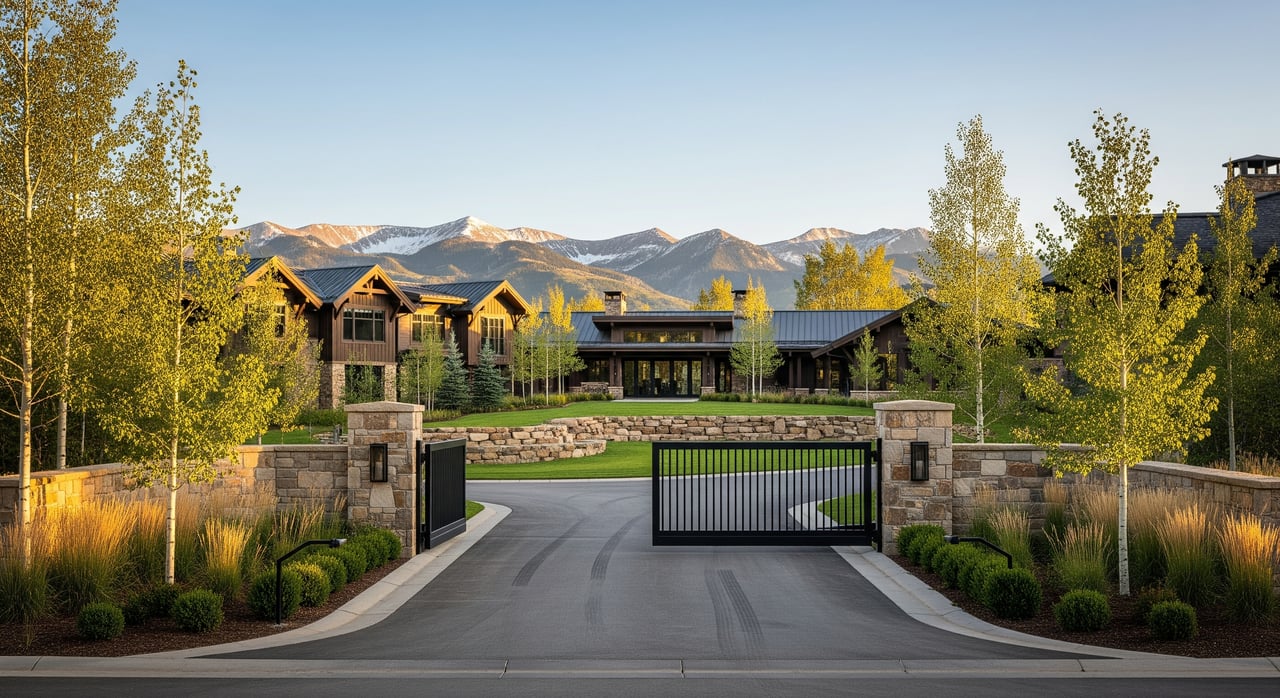
Are you trying to pin down exactly what the Glenwild HOA covers, and what falls on you as the homeowner? You are not alone. In a gated, luxury community with private roads and nearby golf amenities, it is easy to mix up what your dues include. In this guide, you will learn the typical coverage areas, common exclusions, the documents that define everything, and a simple checklist to verify details before you buy or sell. Let’s dive in.
First, confirm the right Glenwild
This article refers to the gated Glenwild residential community in the Park City and Summit County, Utah area. While you will hear plenty of summaries, the only definitive answers come from the community’s governing documents and current financials.
To avoid surprises, pull these items early in your process:
- Recorded CC&Rs, bylaws, and rules and regulations
- Current year budget and most recent reserve study
- Estoppel or resale certificate that shows dues, balances, and pending assessments
- Recent board meeting minutes and year-to-date financials
Reviewing these documents will tell you exactly what the Glenwild HOA covers, what it excludes, and how stable the assessments are.
What the HOA typically covers
While you must confirm specifics in Glenwild’s CC&Rs and budget, luxury gated communities like Glenwild commonly include the following in HOA operations.
Common area maintenance
You can expect the association to maintain shared spaces it owns or controls. That often includes:
- Entry landscaping, irrigation within common areas, and street trees
- Trails, parks, signage, and common-area lighting
- Clubhouse, fitness, pool, and sport courts if they are HOA assets
Associations typically handle routine upkeep and repairs of these areas, plus vendor contracts and seasonal services.
Private roads and snow removal
In many gated communities, roads are private and maintained by the HOA. That generally means:
- Road maintenance, signage, and street lighting are HOA responsibilities
- Gate operations and related systems fall under the HOA
- Snow removal on association-owned roads and common-area sidewalks is included
Important note: Snow removal on individual driveways is usually the homeowner’s responsibility unless the CC&Rs specifically say otherwise. Always check the fine print for driveway and walkway coverage.
Security and access control
If the community uses controlled gates and contract security, the HOA typically manages and pays for these services. That can include gate staffing, access systems, and camera upkeep for common areas.
Amenities and memberships
Many master-planned communities include a clubhouse, pool, fitness room, and courts. Access and upkeep for those amenities are often funded by HOA dues. Golf, however, is different.
If Glenwild’s golf course is operated by a private club, expect golf memberships, greens, and club services to be separate from HOA dues. The HOA may landscape areas that border golf property, but the golf operation and any memberships are usually handled outside the association. Confirm membership rules directly with the club and read HOA disclosures to understand any resident privileges or none at all.
Landscaping and exterior responsibilities
Associations typically handle common-area landscaping. Care inside your private lot is usually your responsibility unless the CC&Rs say otherwise. That means you should plan to maintain your roof, siding, windows, decks, and private yard areas, while following appearance standards enforced by the Architectural Review Committee (ARC). Some communities offer limited exterior services, so read the governing documents closely.
Utilities and trash service
Trash and recycling may be organized by the HOA and included in assessments. Utilities like water, sewer, gas, and electricity are often billed directly to you unless there is a master-meter arrangement. Street lighting power for common areas is typically an HOA expense.
Architectural review and design control
If you plan an exterior change, you will need ARC approval before work starts. Expect published guidelines, submittal forms, timelines, and sometimes a review fee or construction deposit. These rules protect consistency and property values across the community, so factor approval time into your schedule.
Insurance coverage
The HOA insures common areas and any buildings it owns. It also carries general liability insurance for association activities. You will still need your own homeowner’s policy for the dwelling, personal property, and liability on your lot. Check whether the association’s policy is “bare walls” or a broader master policy to set your coverage correctly.
Reserves and special assessments
Healthy HOAs fund reserves for long-term repairs like road resurfacing, gate replacement, and clubhouse updates. The reserve study and budget show whether current dues support these future needs. If reserves fall short, the HOA may levy special assessments to cover major projects. Review the reserve study and board minutes to understand what is coming.
What is not usually included
Glenwild’s documents will answer this definitively, but here are items often excluded from HOA coverage in similar communities:
- Golf club access and golf course operations if the golf facility is a separate private club
- Exterior repairs and replacements on individual homes unless specifically provided
- Snow removal on private driveways and walkways to the home
- Utilities billed directly to the owner, such as water, sewer, gas, electricity, internet
- Insurance for your dwelling and personal property inside your lot
Use the resale certificate and CC&Rs to confirm line by line.
How to verify coverage before you buy or sell
The best way to avoid last-minute issues is to collect and read the right documents early, then ask pointed questions.
Buyers: your due diligence steps
- Request the HOA resale packet or estoppel certificate as soon as your offer is accepted.
- Read the CC&Rs, bylaws, and rules for use restrictions, rental policies, pet rules, parking, and ARC requirements.
- Review the current budget and most recent reserve study. Check if reserves align with upcoming capital needs.
- Read the last 6 to 24 months of board meeting minutes for planned projects, litigation, or assessment changes.
- Confirm what your dues cover: roads, snow removal, trash, amenities, security, landscaping.
- Ask whether roads are private and who handles driveway snow removal.
- Verify if golf access is separate and what, if any, resident privileges exist.
- Confirm whether short-term rentals are allowed and any caps on leasing.
- Request the HOA insurance certificate and verify your personal coverage needs with your agent.
Sellers: prepare for a clean closing
- Order the resale certificate early to avoid delays.
- Gather your CC&Rs, rules, and recent HOA communications to share with buyers.
- Disclose current dues, pending special assessments, and any violations you are addressing.
- Provide contact details for the HOA or management company for quick verification.
Key questions to ask the HOA or manager
- What do current dues cover, and what do they explicitly exclude?
- Are the roads private, and what snow removal does the HOA provide?
- Is trash and recycling included in dues?
- Are there any planned capital projects or expected special assessments in the next 12 to 24 months?
- What are the rental rules, including any caps or short-term rental restrictions?
- What is the ARC approval process, timeline, and fee schedule?
- Are there any lot-specific obligations, such as irrigation maintenance or fencing standards?
- Is there any pending litigation or large vendor dispute that could impact costs?
Red flags to watch
Understanding the HOA’s financial health and governance protects you from unexpected costs.
- Low reserve balances relative to assets like gates and roads
- Recent or recurring special assessments for major repairs
- Pending litigation that could increase expenses
- High delinquency rates among owners
- Confusion around golf access and fees if the golf club is separate
- Restrictive ARC rules or long approval times that could delay projects
- Transfer fees and move-in requirements that affect convenience or closing timelines
Quick Glenwild due diligence checklist
- Obtain CC&Rs, bylaws, rules, and ARC guidelines
- Request the resale/estoppel certificate and current dues schedule
- Review the current budget, reserve study, and YTD financials
- Read board meeting minutes for the past 6 to 24 months
- Confirm roads are private and understand snow removal scope
- Verify what amenities are included and what requires separate memberships
- Check rental policies and any lease caps
- Confirm trash service and which utilities are owner-paid
- Review the HOA insurance certificate and align your policy
- Ask about planned projects, special assessments, and any litigation
The bottom line
Glenwild’s HOA most often covers common-area maintenance, private road upkeep, gate operations, and shared amenities that are part of the association. Your dues likely do not include golf club membership, individual home exterior repairs, or most utilities. The only way to be sure is to read the CC&Rs, budget, reserve study, and resale certificate, then get clarifying answers in writing from the HOA or its management company.
If you want a second set of eyes on HOA disclosures or you are planning to list and need a clear strategy, connect with the team that puts clarity first. Get your instant home valuation and talk through your options with Unknown Company.
FAQs
What does the Glenwild HOA typically cover?
- Most gated communities like Glenwild cover common-area maintenance, private roads and gate operations, snow removal on association roads, and upkeep for amenities owned by the HOA. Always confirm with the CC&Rs and budget.
Is golf membership included with Glenwild HOA dues?
- In many similar communities, golf access is handled by a separate private club and is not included in HOA dues. Verify membership details with the club and confirm any resident privileges in the HOA disclosures.
Does the HOA remove snow from my driveway?
- HOAs commonly plow association-owned roads and common sidewalks, while driveways and walks on private lots are usually the owner’s responsibility. Check your CC&Rs for exact coverage.
Are the roads in Glenwild private or public?
- Roads in gated neighborhoods are often private and maintained by the HOA, but you should confirm road status and maintenance obligations in the CC&Rs and the resale certificate.
What is an HOA resale or estoppel certificate?
- It is an official statement from the HOA that outlines dues, balances owed, special assessments, and rule compliance for a specific property. Buyers and sellers use it to verify fees and avoid closing delays.
Are short-term rentals allowed in Glenwild?
- Rental policies vary by community and can change. Review the CC&Rs and rules for current restrictions, rental caps, and approval requirements before you buy or advertise a rental.