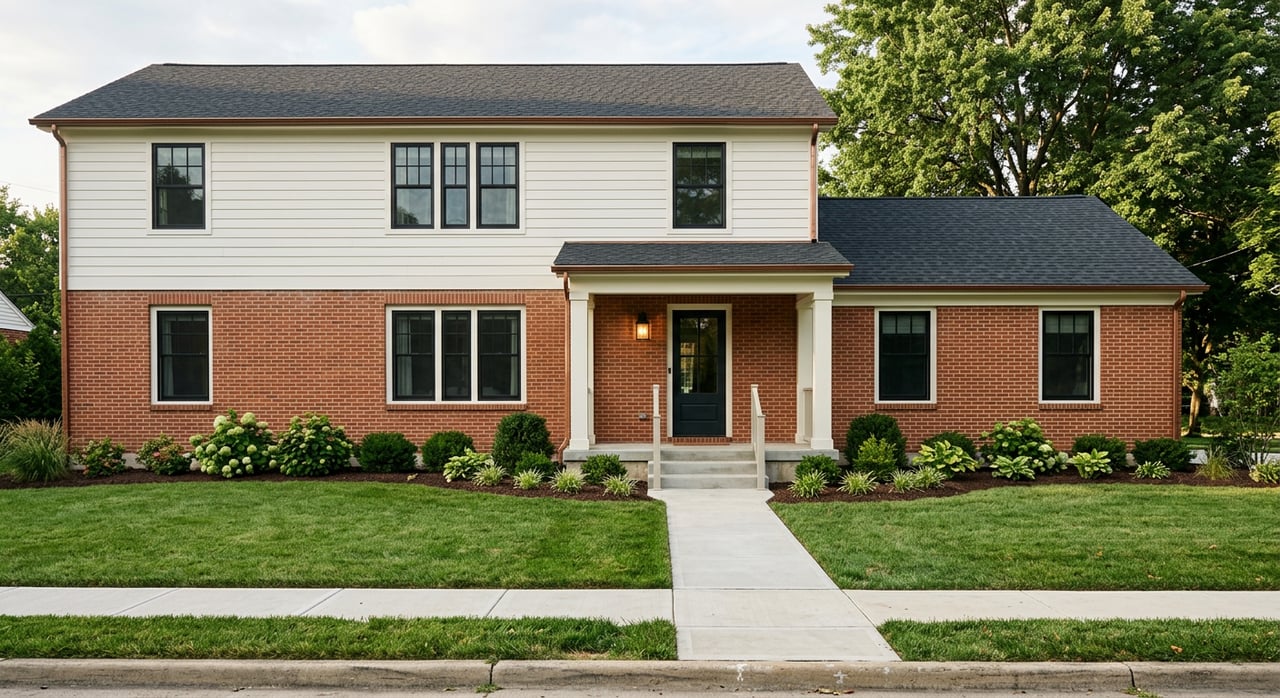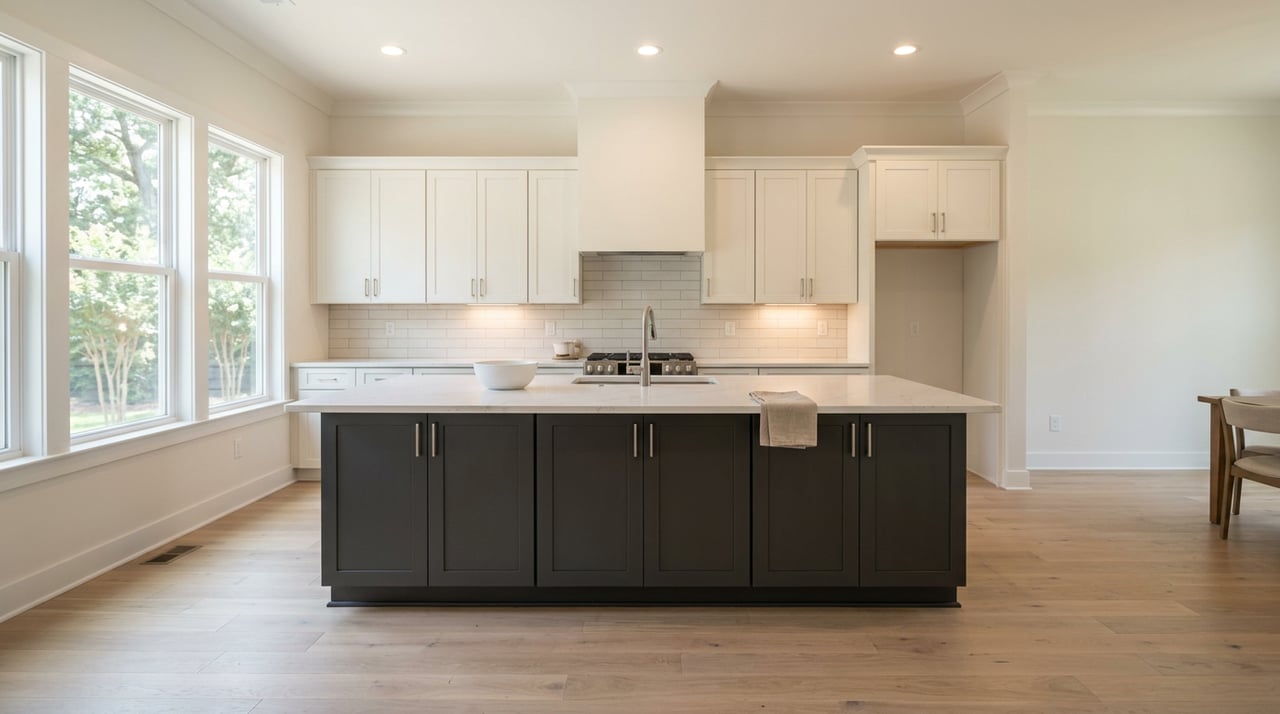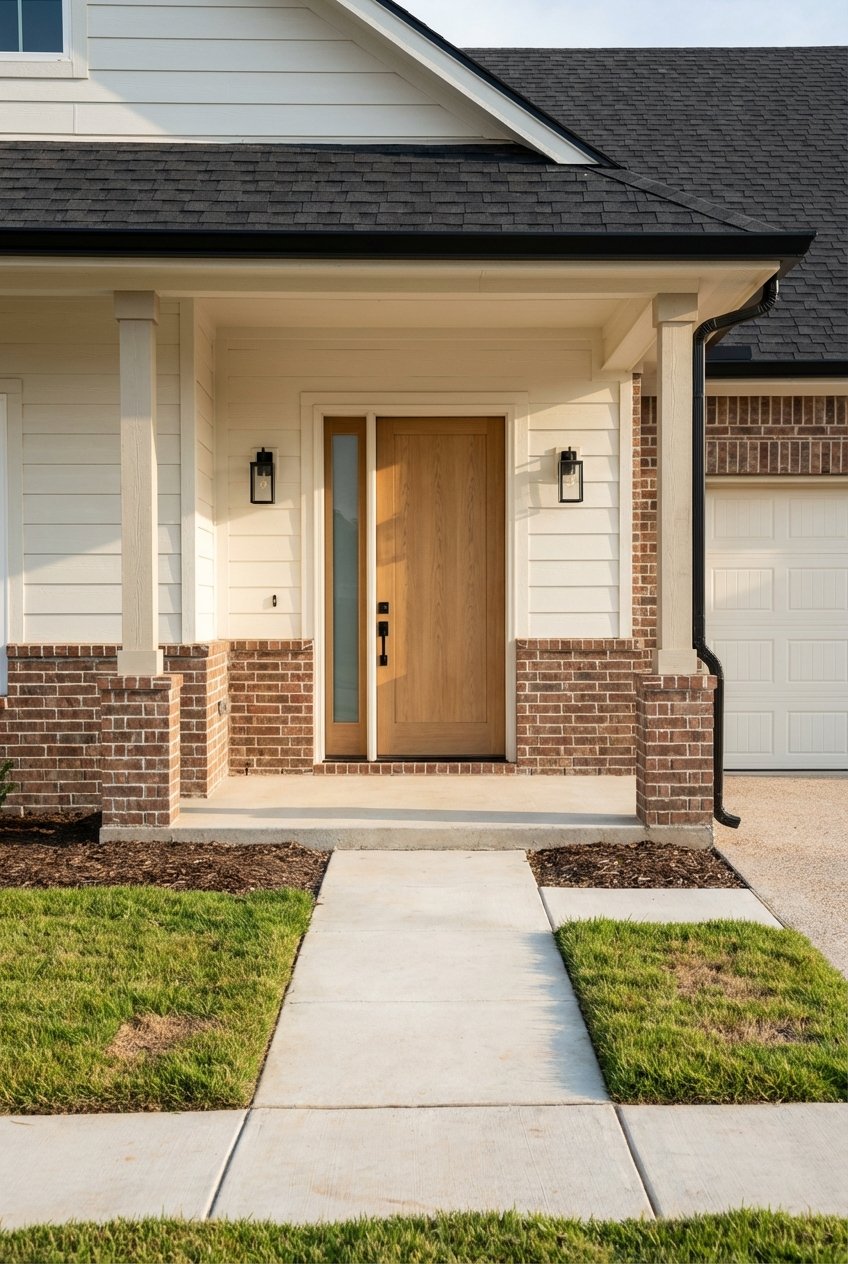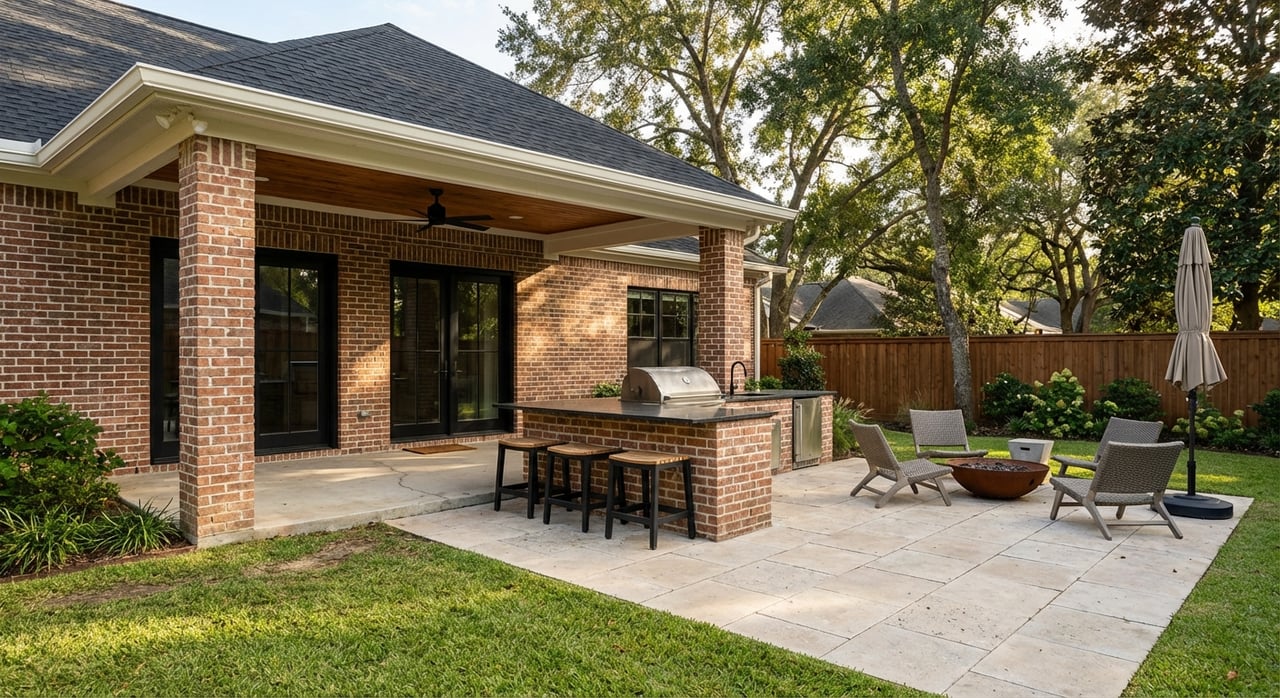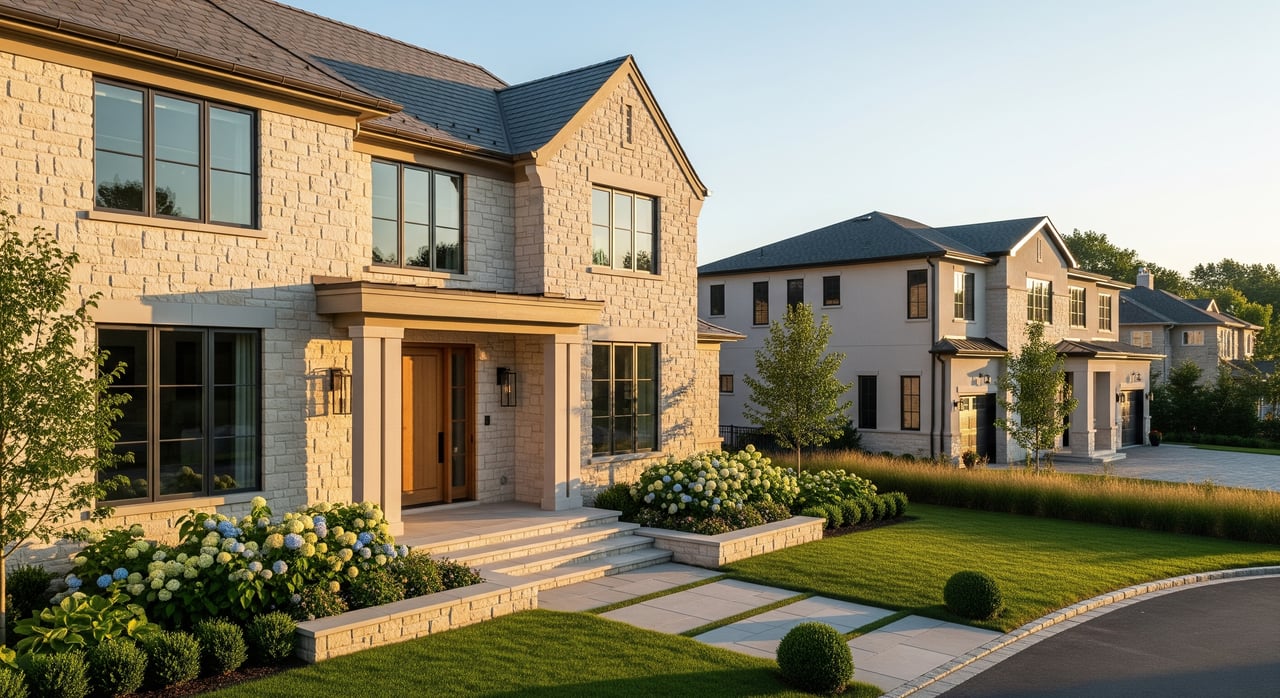
Trying to decide between a move-in-ready spec home or a custom build in Thornberry? You want a home that fits your timeline, budget and lifestyle without surprises. In this guide, you will learn how spec, semi-custom and fully custom homes compare on cost, speed, financing, design control and resale so you can choose with confidence. Let’s dive in.
Spec vs custom basics
What is a spec home?
A spec home is built by a builder without a specific buyer in place. The plan, finishes and pricing are set to appeal to a wide audience, and the home is listed when complete or near completion. You benefit from faster move-in and predictable pricing.
What is a custom home?
A custom home is designed and built around your needs from the ground up. You work with an architect or designer and a builder to set the plan, selections and performance features. Expect a longer timeline and more hands-on decisions.
The middle ground: semi-custom
Many Thornberry-area builders offer semi-custom choices. You start with a base plan and personalize structural options and finishes. This route can balance design freedom with cost and time control.
Timeline and predictability in Thornberry
Spec timeline
Spec homes usually move faster because the plan and permits are already in place. Once construction begins, your path to closing is often shorter and more predictable. Builders sometimes time releases to meet market demand, which can help with move-in planning.
Custom timeline
Custom builds add a design phase, approvals and unique construction steps. The calendar can extend due to plan revisions, selections and coordination with subcontractors. Your builder and the permitting office can outline realistic milestones and inspection checkpoints.
Cost, financing and appraisal
Cost structure
Spec pricing reflects the builder’s known plan, lot and labor costs, plus profit. That makes the final price more predictable and often lower per square foot than a fully custom home. Custom pricing is sensitive to selections and scope changes, so budgeting for contingencies is essential.
Financing paths
Spec buyers usually use a traditional mortgage at closing. Custom buyers often use a construction loan or a construction-to-permanent loan that converts to a standard mortgage at completion. Some buyers finance the lot separately before the construction phase. Ask lenders about draw schedules, interest-only periods and down payment needs.
Appraisal considerations
Appraisers lean on nearby comparable sales. Spec homes that align with the neighborhood typically appraise more easily. Highly unique custom features may not be fully recognized if comparable homes are limited, so discuss appraisal strategy early.
Design control and lifestyle fit
Spec design scope
Spec homes favor broad appeal. If you purchase early in construction, you may pick from a set of finishes. If the home is complete, you will get what is built, which simplifies decisions and reduces change-order risk.
Custom design scope
Custom gives you control over layout, materials, systems, energy performance and accessibility. That flexibility can deliver long-term satisfaction, but it asks more of your time and budget discipline.
Resale value and liquidity
Spec homes are designed for a wide buyer pool, which can help with future resale. Quality custom homes can command a premium if they align with local tastes, but highly personal choices may narrow the buyer pool. If resale is a priority, keep selections timeless and aligned with neighborhood norms.
Risk, warranties and inspections
Spec builders often include standard new-home warranties, such as workmanship coverage and longer structural protection. Custom warranties vary by contract, so confirm the scope, transferability and claim process in writing. Independent inspections at key stages are smart for both paths.
Thornberry local checklist
Use this checklist to convert your goals into local facts before you choose a direction:
Zoning and lot controls
- Confirm setbacks, height limits and lot coverage rules for your target lots.
- Ask about any planned unit developments or conservation requirements.
- If an HOA exists, review architectural guidelines and approval timelines.
Permits and fees
- Ask the building department about permit turnaround times and inspection scheduling.
- Request fee schedules, including impact, utility, school, park or sewer fees.
- Clarify required reports like soils, septic perc tests, stormwater and tree plans.
Utilities and site costs
- Verify availability of water, sewer, gas and electrical capacity for each lot.
- Get hookup timelines and fee estimates from utility providers.
- Assess driveway, drainage and grading needs that can affect cost.
Environmental and hazards
- Check flood zones and any wildfire or geologic risk overlays that may impact design or insurance.
- Ask about soil bearing capacity or drainage issues that could influence foundations.
Builder landscape
- Identify builders active in Thornberry and their specialties: spec, semi-custom or custom.
- Review portfolios, model plans and standard specifications.
- Ask about current or upcoming spec inventory and build-to-order slots.
Market demand and pricing
- Pull recent sales for new construction and resales near your target blocks.
- Note days on market and buyer preferences for size, finishes and energy features.
- Compare per-square-foot price ranges across spec, semi-custom and custom options.
Questions to ask builders and lenders
For spec homes
- Is the home complete, under construction or planned? What is the expected certificate of occupancy date?
- What warranties are included and are they transferable on resale?
- Are there incentives, such as closing cost help, rate buydowns or upgrade credits?
For custom builds
- What are typical cost overruns and how are change orders handled and priced?
- Who manages permits and which inspections are required locally?
- Can we tour past projects and meet key subcontractors?
For lenders
- Do you offer construction-to-permanent loans? What down payment do you require?
- What is the draw schedule and interest-only period during construction?
- How do you handle appraisal for unique custom features?
A simple decision framework
Use these steps to match your goals with the right path:
- Timeline
- Need to move within a few months? Focus on completed or near-complete spec homes.
- Have 9 to 18 months and want design control? Explore custom or semi-custom.
- Budget discipline
- Prefer a firm number and fewer variables? Spec or semi-custom can offer more predictability.
- Comfortable managing allowances and selections? Custom can fit if you plan contingencies.
- Design priorities
- Want proven floor plans and neutral finishes? Spec fits well.
- Need tailored spaces, energy systems or accessibility features? Custom offers control.
- Resale outlook
- Plan to resell within 5 to 7 years? Choose plans and finishes with broad appeal.
- Building a long-term home? Optimize for quality and performance features you will use.
How we help you succeed in Thornberry
You deserve clear answers, not guesswork. Our broker-led team brings hands-on new-construction experience to guide you from lot selection through closing. We help you compare spec, semi-custom and custom options side by side, coordinate with builders, outline realistic timelines and align financing with your plan. We also pull the neighborhood comps and documents you need to feel confident at every step.
Ready to weigh your options in Thornberry? Let’s map your timeline, budget and design goals to the right path and the right builder. Reach out to Real Estate Partners, LLC to get started.
FAQs
What is the main difference between spec and custom homes in Thornberry?
- Spec homes are pre-designed and built to sell quickly, while custom homes are designed around your needs with a longer, more hands-on process.
How long does it take to build or buy in Thornberry?
- Spec homes can be move-in ready or near completion, while custom builds add design and permit time. Confirm local permit and build timelines with your builder.
Which financing works best for spec vs custom in Thornberry?
- Spec buyers typically use a standard mortgage, while custom buyers often use a construction or construction-to-permanent loan with draws during the build.
Are custom home features fully valued at appraisal in Thornberry?
- Unique custom features may be hard to match with comparable sales, so discuss appraisal strategy with your lender and consider market-aligned selections.
What warranties should I expect with new construction in Thornberry?
- Spec builders often include workmanship and structural warranties. Custom warranty terms vary by contract, so review coverage and transfer rules before signing.