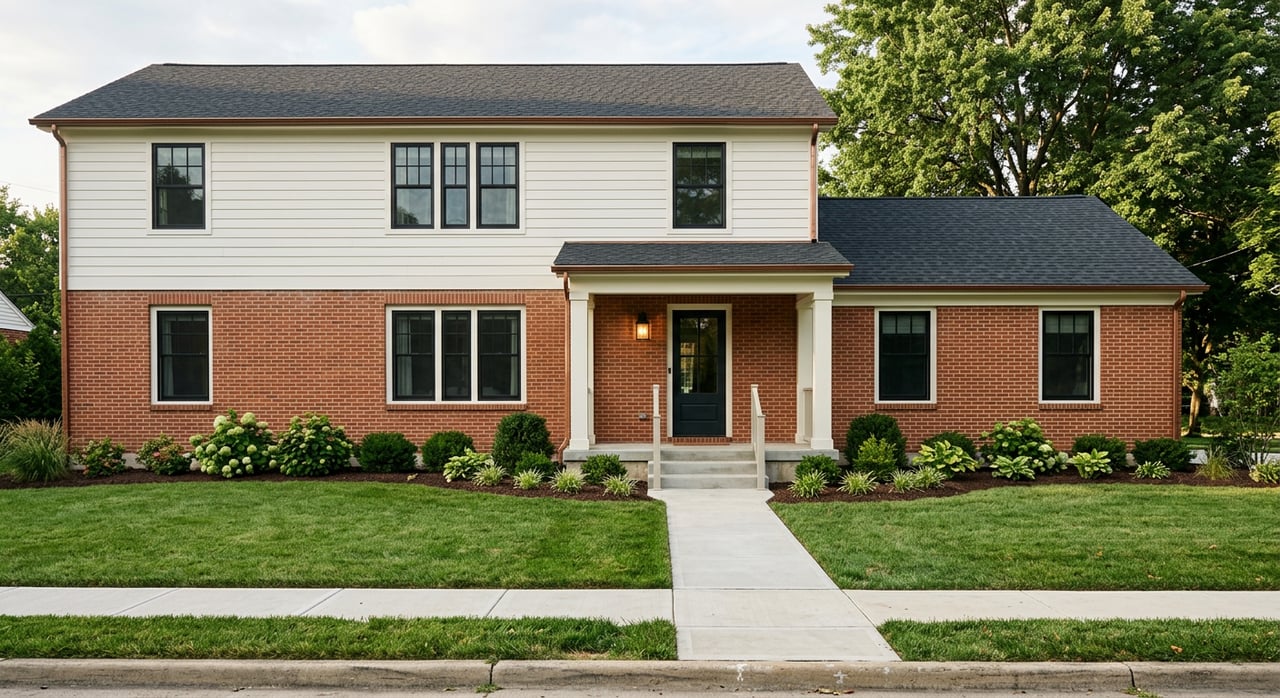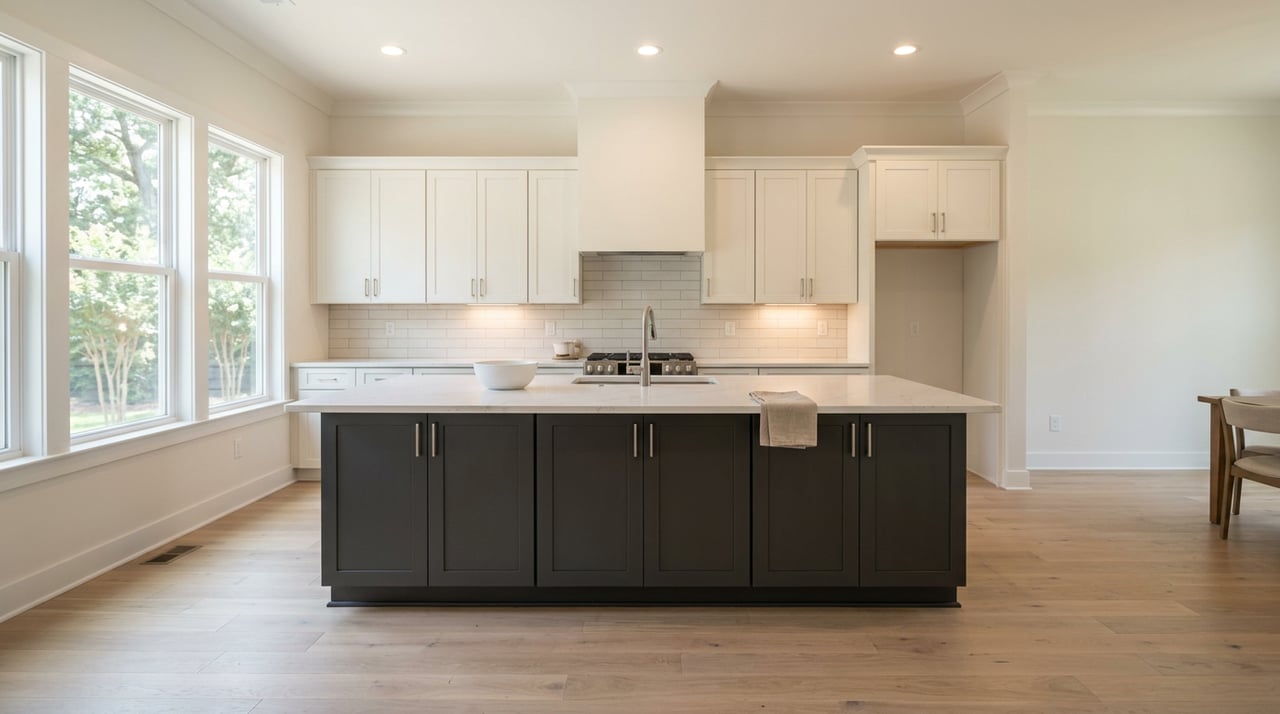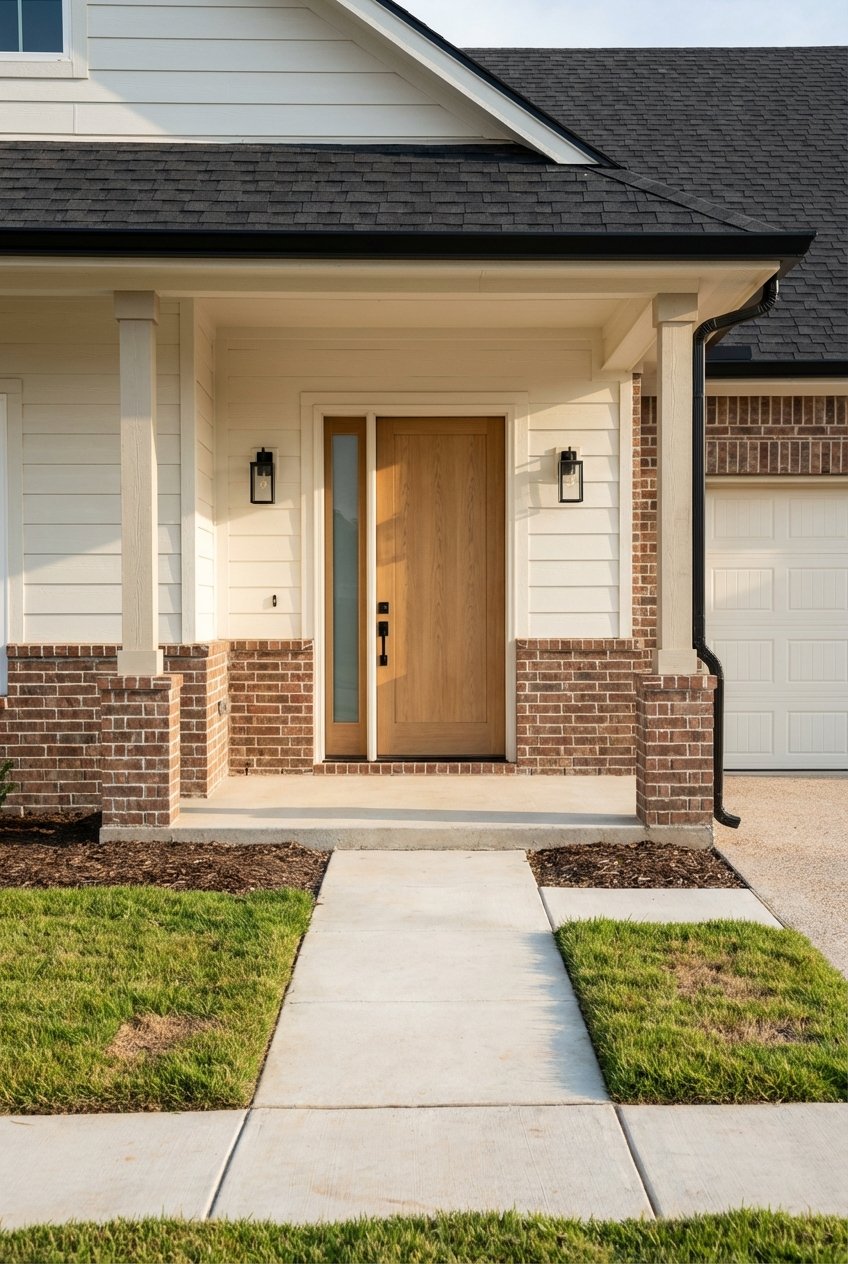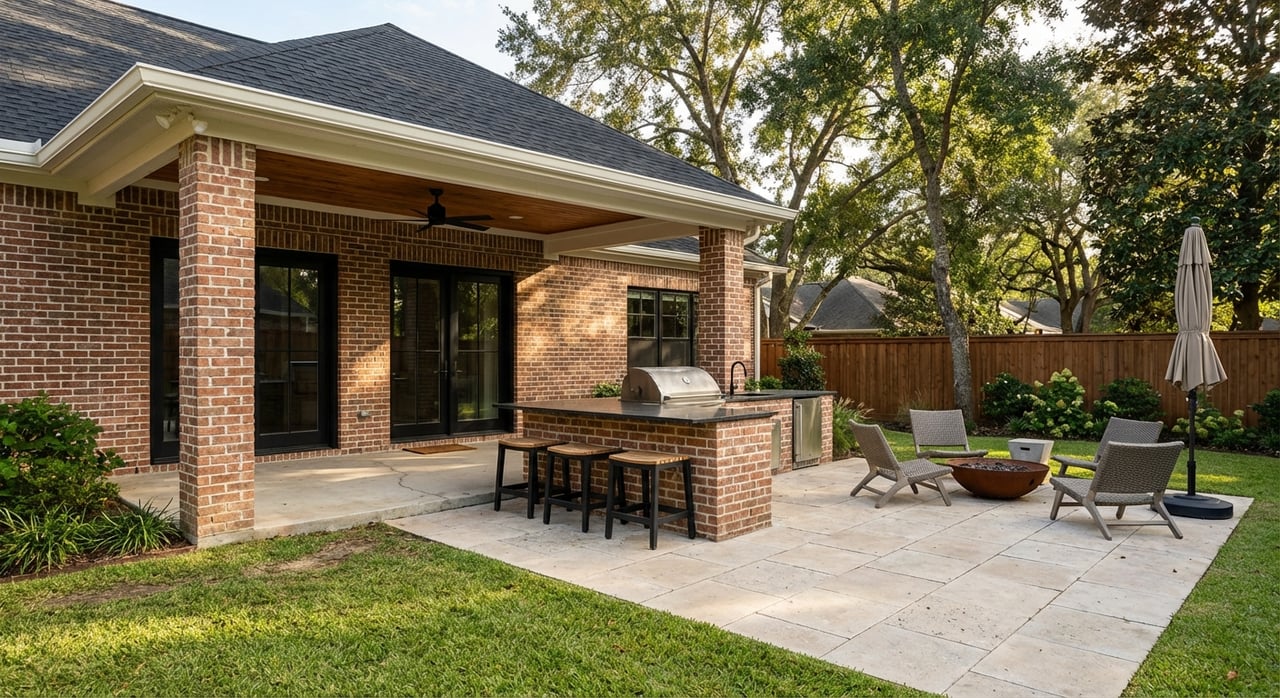
Ready to skip weekend projects and start living on day one? Touring move-in-ready homes in Stillhouse Creek can help you land a home that looks great, works well, and fits your timeline. If you want less hassle and more certainty, this approach can be a smart way to buy. In this guide, you’ll learn what move-in-ready really means, how to prep for showings, what to check during a walkthrough, the questions to ask, and the steps to take after your tour. Let’s dive in.
What move-in-ready means
Move-in-ready means a home is safe, clean, and functional on day one. You should be able to occupy it without completing major repairs first. Most move-in-ready homes have working HVAC, plumbing, and electrical systems, along with fresh paint or clean finishes and functioning appliances.
Move-in-ready is not the same as new construction. New builds may include builder warranties and brand-new systems. A move-in-ready resale can still offer updated features but may have older systems. It is also different from turnkey, which sometimes implies furnishings or full staging.
Why buyers choose it
You get speed and predictability. If you are relocating, juggling school schedules, or managing a busy work calendar, fewer projects after closing can be a big relief. You also avoid lining up contractors immediately.
Short-term costs can be lower. With fewer immediate repairs, your up-front spending stays more predictable. You can also focus on furnishing and settling in.
Prep for your tour
A little preparation helps you act fast and confidently when you find a winner.
- Get a lender pre-approval so you can make a strong offer quickly.
- Confirm your showing times and route so you can see multiple homes efficiently.
- Bring a phone for photos and notes, a small tape measure, and a checklist.
- Ask your agent for seller disclosures, HOA details, and any updates the seller completed.
- Note your must-haves versus nice-to-haves to stay focused during showings.
Tour-day checklist
Use this section as your quick-reference list during showings. You will still want a full home inspection if you move forward.
Exterior checks
- Roof: look for missing shingles, sagging lines, and visible patches. Ask the age.
- Drainage: gutters connected, downspouts extended, ground sloping away from the foundation.
- Siding and brick: watch for cracks, staining, or signs of water intrusion.
- Foundation: note any visible cracks or uneven settling at walls and patios.
- Windows and doors: check seals, operation, and weatherstripping.
- Garage: confirm door and opener function, look for leaks or framing issues.
- Landscaping: check tree distance from the home and sprinkler condition.
- Driveway and patio: note large cracks or trip hazards.
Interior and finishes
- Walls and ceilings: watch for cracks or stains that suggest leaks.
- Floors: feel for soft spots or unevenness; check tile or hardwood for damage.
- Odors: musty smells can signal moisture; strong chemical smells may indicate treatments.
- Doors and windows: open and close several; confirm locks work.
- Evidence of repairs: look for mismatched paint or repeated patching.
Test key systems
- HVAC: run heat and AC briefly, listen for unusual noise, ask for service records.
- Water heater: note age and signs of corrosion or leaks.
- Water pressure: run multiple faucets and flush toilets to gauge pressure and hot water.
- Electrical: test a few outlets and switches; look for GFCI in kitchen and baths.
- Appliances: test oven, microwave, dishwasher, disposal, and laundry connections.
- Attic and crawlspace: if accessible, check insulation, ventilation, and signs of pests.
- Plumbing: look under sinks for leaks and check drainage speed.
Safety basics
- Smoke and carbon monoxide detectors present and functional.
- Electrical panel updated and neatly labeled.
- If there is a pool, confirm safety features and equipment condition.
Permits and updates
- Ask for permits on major updates like kitchen or bath remodels and HVAC replacement.
- Request receipts and contractor info for recent work.
HOA and amenities
- Note the condition of common areas, landscaping, and any pool or clubhouse.
- Ask about rules for exterior changes, parking, and rental policies.
Ask for documents
- Seller disclosures.
- Recent utility bills for cost estimates.
- Maintenance records and warranties for roof, HVAC, and appliances.
- Title exceptions, covenants, and easements.
- Pest or termite treatment history.
Watch for red flags
Stay alert for issues that can add cost or risk after closing.
- Stains, peeling paint, or musty odors that suggest moisture problems.
- Sloping floors, sticky doors, or significant cracks that may indicate foundation movement.
- Electrical panels with outdated components or messy wiring.
- Unpermitted additions or remodels that could complicate insurance or resale.
- Roofs near end of life or patchy repairs without records.
Questions to ask the seller or agent
- How old are the roof, HVAC systems, water heater, and major appliances?
- Have there been past insurance claims, leaks, or foundation repairs?
- Were recent repairs permitted and completed by licensed contractors?
- What are typical monthly utilities and the most recent property tax figures?
- Are there HOA rules, fees, special assessments, or pending litigation?
Local info to verify in Stillhouse Creek
Even when a home is move-in-ready, local details matter.
- Schools: check current school assignments and published ratings from official sources.
- Commute: test drive your route at typical rush-hour times.
- Floodplain: review official flood maps and ask whether flood insurance is common for the address.
- HOA: confirm fee amounts, rules on exterior changes, and any rental restrictions.
- Utilities: note providers for electric, water, sewer, gas, and internet, plus average bills.
- Taxes: review tax history and applicable rates with the county assessor or appraisal district.
- Future development: ask about planned roads or nearby commercial projects that could affect traffic or noise.
After the tour: next steps
If a home checks your boxes, you can move quickly while staying protected.
- Schedule a full home inspection, plus add-ons like termite, roof, HVAC, sewer scope, or radon if indicated for the area.
- Use inspection results to negotiate repairs, credits, or a price adjustment.
- Confirm any transferable warranties and the cost of homeowners insurance.
- Work with your lender on appraisal and underwriting. Typical inspection periods run about one to two weeks, but timelines vary by contract.
- Budget for closing costs, prorated taxes, HOA transfer fees, and small immediate fixes or deep cleaning.
New build or move-in-ready?
Both paths can be great. New construction offers brand-new systems and builder warranties. You may also pick finishes if you buy early in the build. Move-in-ready resales can close faster and are often in established sections of the neighborhood with mature landscaping.
If you are undecided, tour both. Compare timelines, warranties, and expected maintenance. A side-by-side look will help you see which option fits your budget and schedule.
How we help you tour smarter
You deserve a smooth, confident search with clear information at every step. Our team pairs senior, broker-led guidance with neighborhood-level insight. We coordinate showings that match your timeline, surface move-in-ready listings quickly, and help you vet condition, HOA rules, utilities, and likely insurance costs. If you want to explore new construction alongside resales, we can arrange builder tours and explain differences in warranties and timelines.
When you are ready, we will help you craft a competitive offer, navigate inspections, and keep closing on track. If you want a calm, organized experience, we are here to help.
Ready to tour move-in-ready homes in Stillhouse Creek and buy with confidence? Reach out to the team at Real Estate Partners, LLC to get started today.
FAQs
What does move-in-ready mean in Stillhouse Creek?
- It means a home is clean, safe, and functional so you can occupy it without major repairs, with working systems and livable finishes.
How fast can I close on a move-in-ready home?
- If financing, plan for inspection, appraisal, and underwriting; many buyers close in a few weeks depending on contract terms and lender timelines.
Should I still get a home inspection on a move-in-ready home?
- Yes, a full inspection is recommended to confirm condition and identify issues you can negotiate or plan for.
How do HOA rules affect move-in-ready homes in Stillhouse Creek?
- HOAs set fees and rules for exterior changes, parking, and rentals, so review documents early to make sure the home and your plans align.
Do I need flood insurance in Stillhouse Creek?
- It depends on the property’s flood zone and your lender’s requirements; verify the address on official flood maps and seek quotes if advised.